deeper insight
Analyzing projects and public issues beyond the headlines.
Glan Devon Bio-Fertiliser Project
The proposal is laid out as a staged progression. Stage 1 is described as a trial, with Stage 2 moving toward commercial quantities. That staging may look sensible from the applicant’s perspective, but from a community perspective it reinforces the need for scrutiny and risk-based controls. A trial is, by definition, a phase in which performance is not yet fully demonstrated under local operating conditions.
That matters.
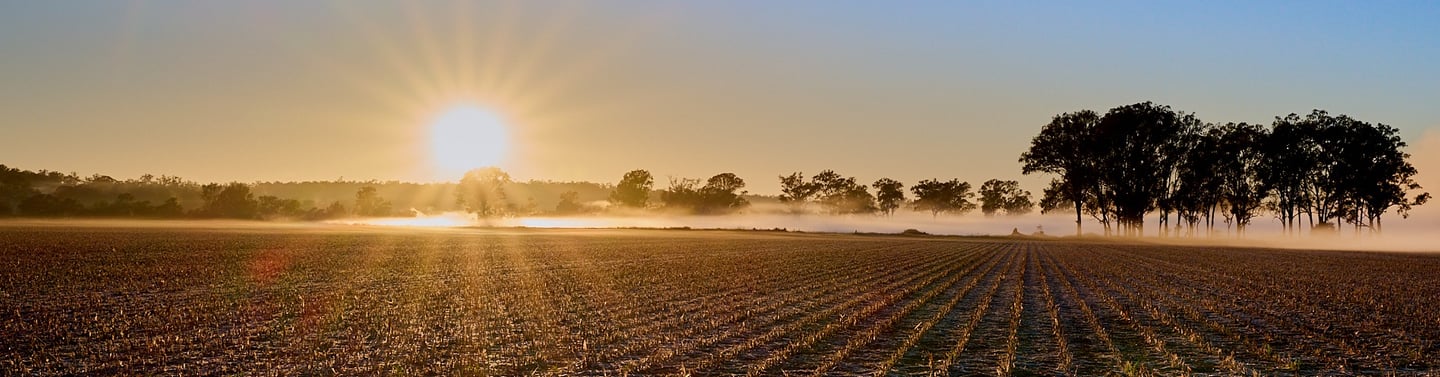
The proposed site sits in a rural community where many people rely on tank water. Local drainage from the area is toward Barkers Creek, part of the catchment that drains toward Bjelke-Petersen Dam, also known as Lake Barambah. That does not mean harm is inevitable, but it does mean the site is not risk-free. Questions about emissions, odour, dust, stormwater, residues and monitoring are not abstract technical details. They are practical questions about who carries the consequences if the trial does not perform as expected.
At present, the proposal appears to shift a significant share of the practical risk onto the local community, while the direct local benefit remains unclear. That is why the project needs careful scrutiny before approval, not after problems emerge.
What is it?
Why Glan Devon?
Is this high-impact industrial operation appropriate on this rural site?What operation is actually being approved?
Feedstocks, scale, storage, emissions controls, operating limits, abnormal events and expansion must be defined.Does the evidence represent the real operation?
The whole process, its interactions, variability and likely failure conditions—not merely separate reports and average cases.Is a trial being used to justify an approval before the necessary proof exists?
What remains unproven, who carries that uncertainty, and would Stage 2 require a genuinely new assessment?Can conditions keep the plant within what was assessed?
Promises, future design and monitoring after construction are not substitutes for measurable and enforceable boundaries before approval.
The central issue:
Does the application define and assess the real operation, and can approval keep it inside those boundaries?
Bill, Tom and Dog explain the issues with humour and a twist in the blog articles below
A bio-fertiliser facility has been proposed for Glan Devon, north of Nanango, on land beside the Burnett Highway. The proposal is not simply a shed or a storage depot. It is a high-impact industry development that would receive treated wastewater solids, commonly referred to as biosolids, process them using thermal technology, and produce a dry fertiliser product for agricultural use.
The project is being promoted as a circular economy solution: taking material that would otherwise require disposal, recovering nutrients, and turning it into a useful farm input. That goal may sound sensible in principle. The important question is whether this particular proposal, in this particular location, has been properly tested, explained and conditioned before approval is considered.
For local residents, farmers, businesses and Council, the issue is not whether biosolids can ever be reused. The issue is whether the Glan Devon proposal gives enough clear, enforceable answers about feedstock, odour, emissions, water, traffic, product quality, operating limits, business risk and future expansion. A facility of this kind needs more than broad assurances. It needs evidence, limits, monitoring and accountability.
About Deeper Insight
A blog by Scott Dunham offering clear, thoughtful analysis of public projects and community issues.


© 2026. All rights reserved.